
The Duty to rescue
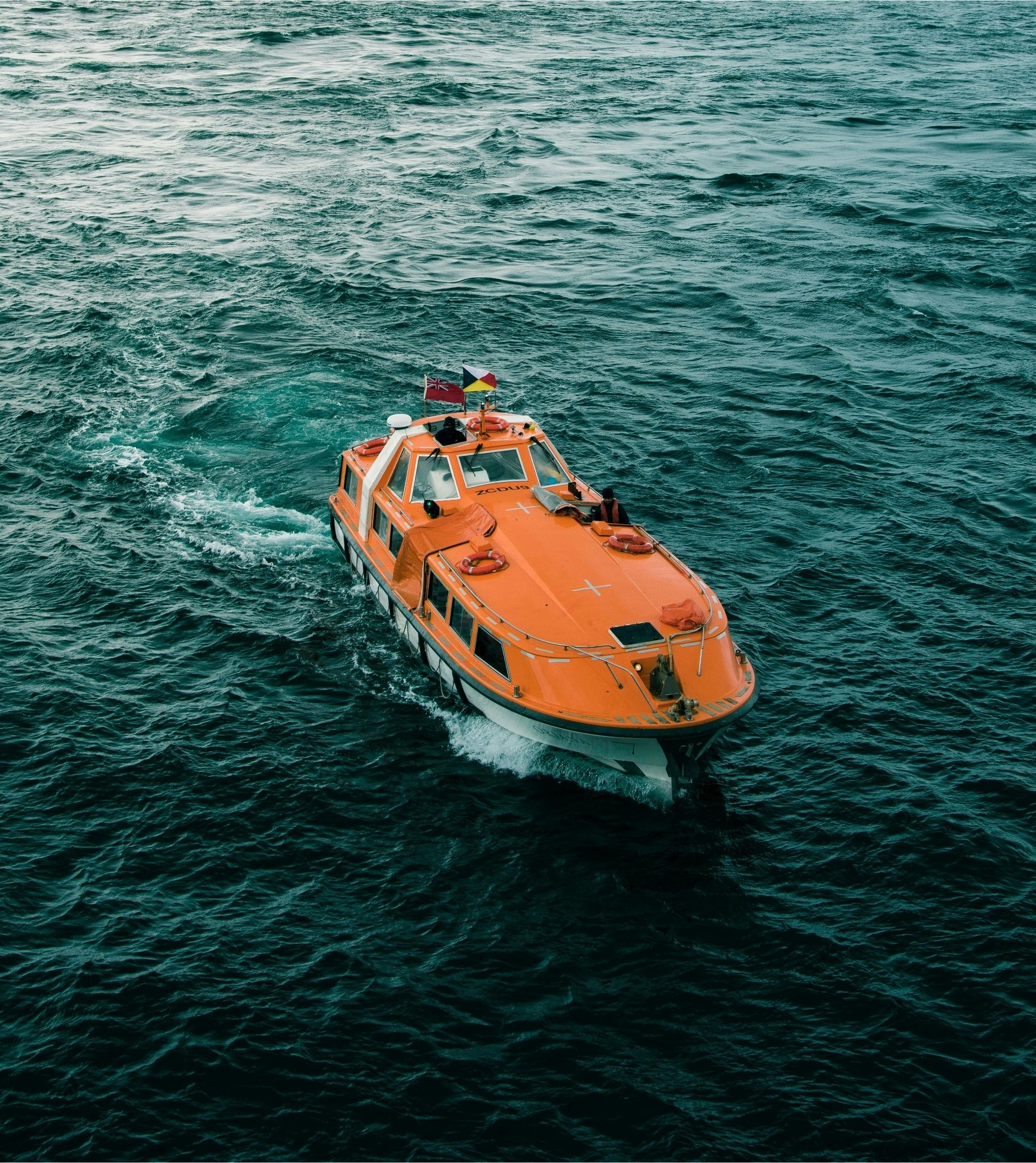
The duty to rescue, one of the oldest and most fundamental principles of the sea.
Long before modern institutions existed, mariners understood that anyone in distress must be assisted — regardless of who they are, where they come from, or why they are at sea. This norm, rooted in centuries of maritime practice, gradually became a universal legal obligation.
This duty is codified in major international conventions such as UNCLOS, SOLAS, the SAR Convention, and the Salvage Convention. These treaties establish a clear expectation:
➡️ 𝙎𝙝𝙞𝙥𝙢𝙖𝙨𝙩𝙚𝙧𝙨 𝙢𝙪𝙨𝙩 𝙧𝙚𝙣𝙙𝙚𝙧 𝙖𝙨𝙨𝙞𝙨𝙩𝙖𝙣𝙘𝙚 𝙩𝙤 𝙖𝙣𝙮 𝙥𝙚𝙧𝙨𝙤𝙣 𝙞𝙣 𝙙𝙞𝙨𝙩𝙧𝙚𝙨𝙨, 𝙖𝙣𝙙
➡️ 𝙎𝙩𝙖𝙩𝙚𝙨 𝙢𝙪𝙨𝙩 𝙤𝙧𝙜𝙖𝙣𝙞𝙨𝙚 𝙨𝙚𝙖𝙧𝙘𝙝 𝙖𝙣𝙙 𝙧𝙚𝙨𝙘𝙪𝙚 𝙨𝙮𝙨𝙩𝙚𝙢𝙨 𝙩𝙤 𝙚𝙣𝙨𝙪𝙧𝙚 𝙩𝙝𝙖𝙩 𝙝𝙚𝙡𝙥 𝙘𝙖𝙣 𝙗𝙚 𝙥𝙧𝙤𝙫𝙞𝙙𝙚𝙙.
Crucially, this obligation is based on danger, not status. It applies equally to sailors, passengers, migrants, refugees, or anyone whose life is at risk at sea.
The safety and trust that underpin global maritime navigation rely on this principle. Whatever the political climate, the duty to rescue remains unchanged — and essential.
At FHAS, we work to strengthen understanding, coordination, and practical support around this core obligation, so that lives can be protected at sea.