
Protection beyond labels: mixed maritime movements
Published on
January 14, 2026
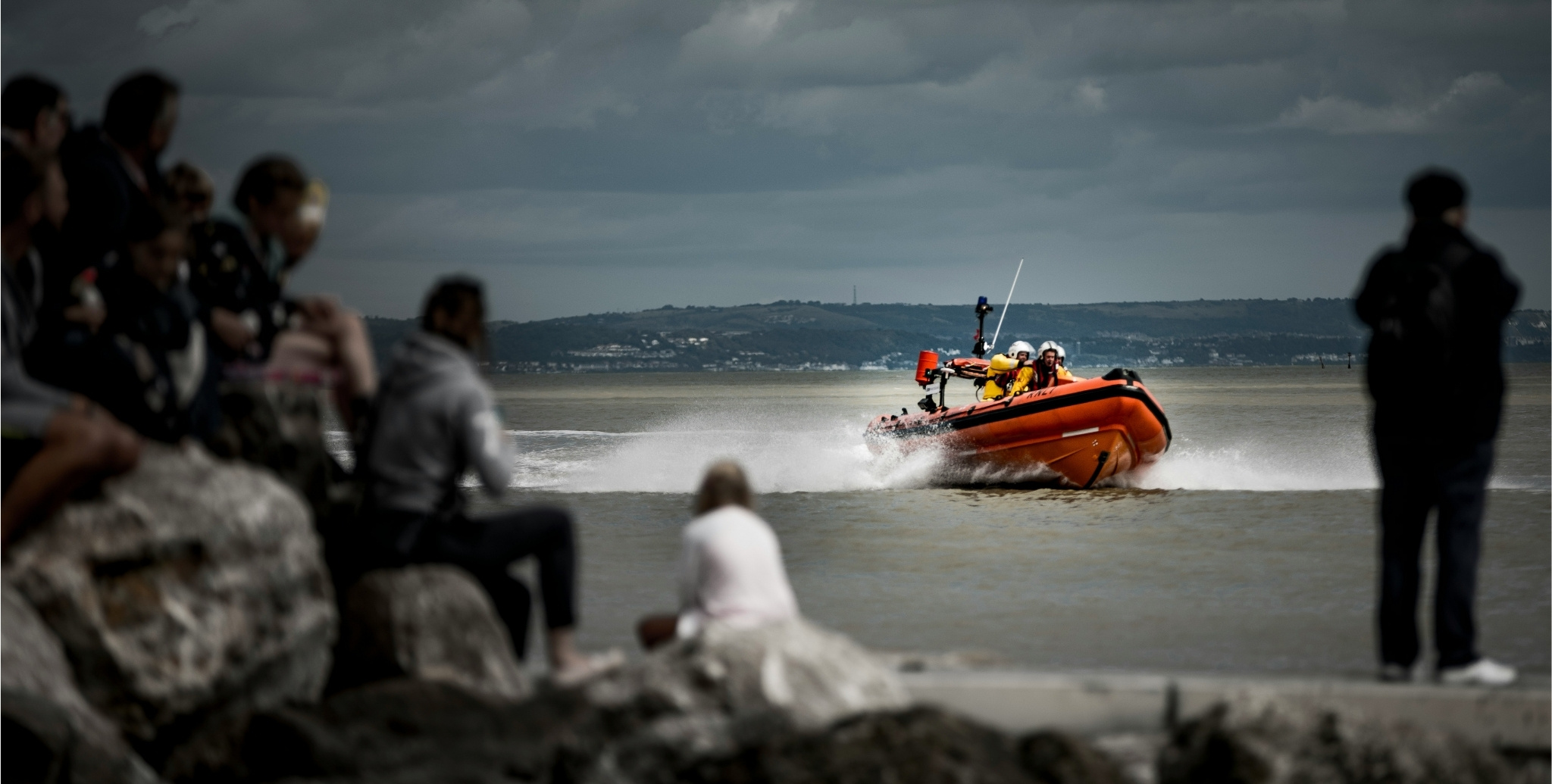
Mixed maritime movements
At sea, people on the move are often described using legal categories: 𝘳𝘦𝘧𝘶𝘨𝘦𝘦𝘴, 𝘮𝘪𝘨𝘳𝘢𝘯𝘵𝘴.
These distinctions matter in law — 𝗯𝘂𝘁 𝘁𝗵𝗲 𝗿𝗲𝗮𝗹𝗶𝘁𝘆 𝗼𝗳 𝗺𝗮𝗿𝗶𝘁𝗶𝗺𝗲 𝗺𝗼𝘃𝗲𝗺𝗲𝗻𝘁 𝗶𝘀 𝗺𝗼𝗿𝗲 𝗰𝗼𝗺𝗽𝗹𝗲𝘅.
❗𝗠𝗼𝘀𝘁 𝗰𝗿𝗼𝘀𝘀𝗶𝗻𝗴𝘀 𝗮𝗿𝗲 𝗺𝗶𝘅𝗲𝗱: 𝗽𝗲𝗼𝗽𝗹𝗲 𝗳𝗹𝗲𝗲𝗶𝗻𝗴 𝗽𝗲𝗿𝘀𝗲𝗰𝘂𝘁𝗶𝗼𝗻 𝘁𝗿𝗮𝘃𝗲𝗹 𝗮𝗹𝗼𝗻𝗴𝘀𝗶𝗱𝗲 𝗼𝘁𝗵𝗲𝗿𝘀 𝗲𝘀𝗰𝗮𝗽𝗶𝗻𝗴 𝘃𝗶𝗼𝗹𝗲𝗻𝗰𝗲, 𝗶𝗻𝘀𝘁𝗮𝗯𝗶𝗹𝗶𝘁𝘆, 𝗼𝗿 𝗲𝘅𝘁𝗿𝗲𝗺𝗲 𝗵𝗮𝗿𝗱𝘀𝗵𝗶𝗽.In distress at sea, status does not change vulnerability — nor the obligation to rescue.
This explainer looks at why:
• refugee status cannot be determined at sea,
• non-refoulement protects more than refugees alone,
• and why safety must always come before status in maritime rescue.